Project Overview
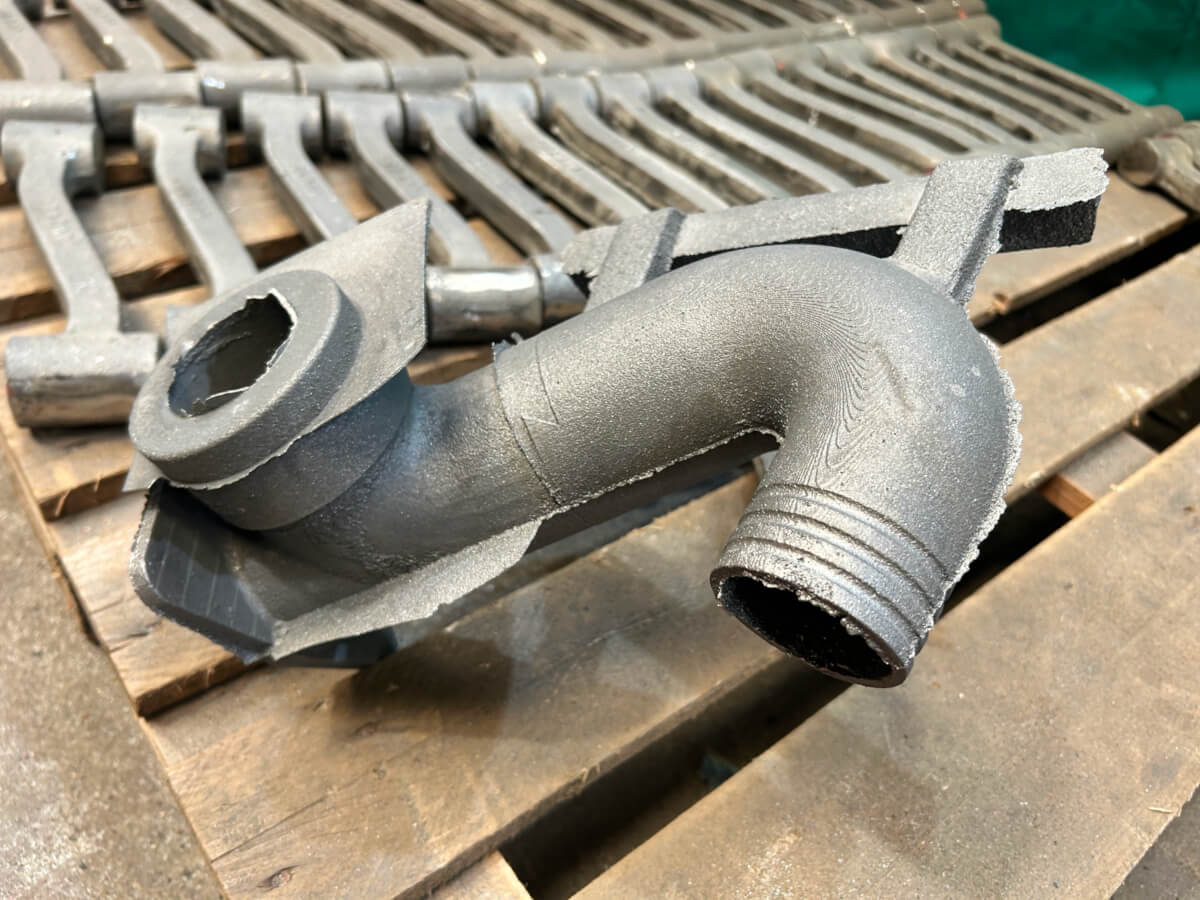
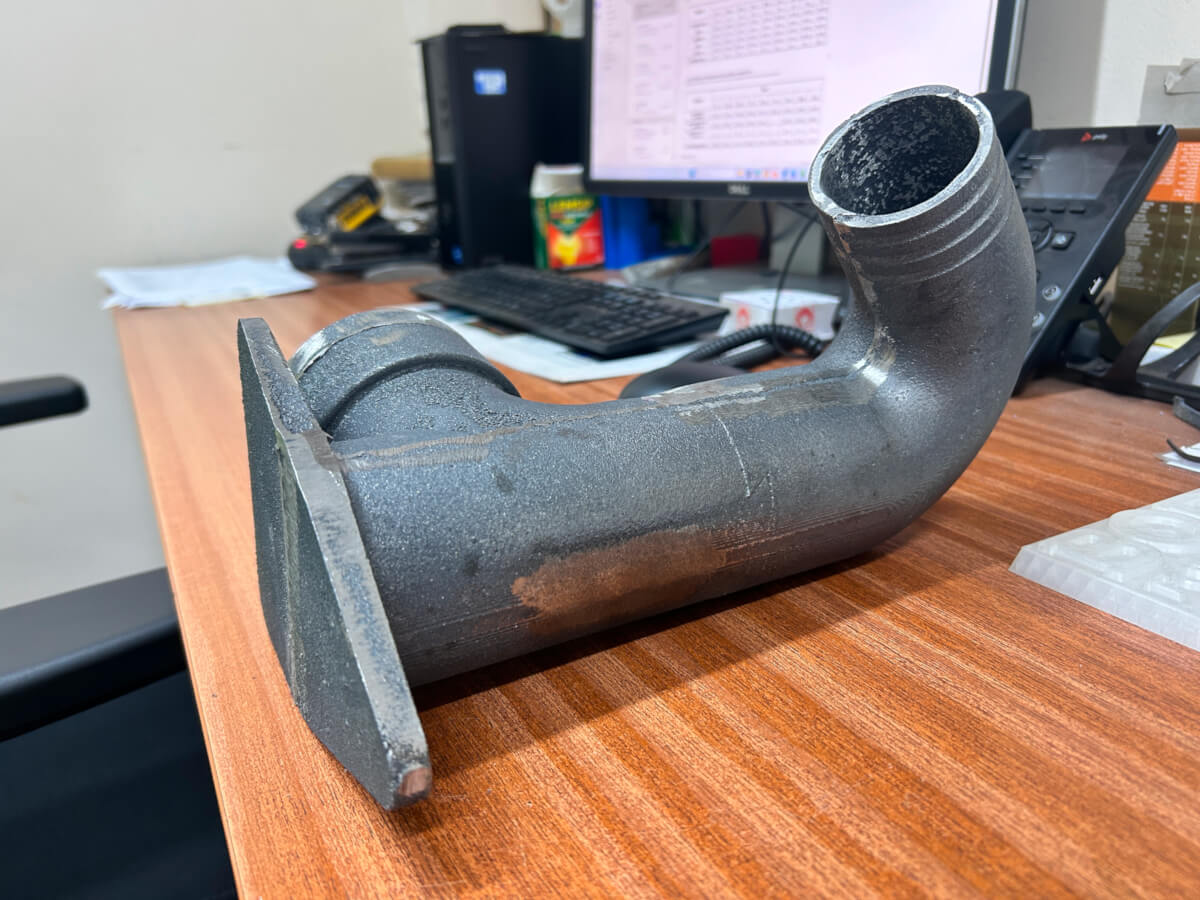
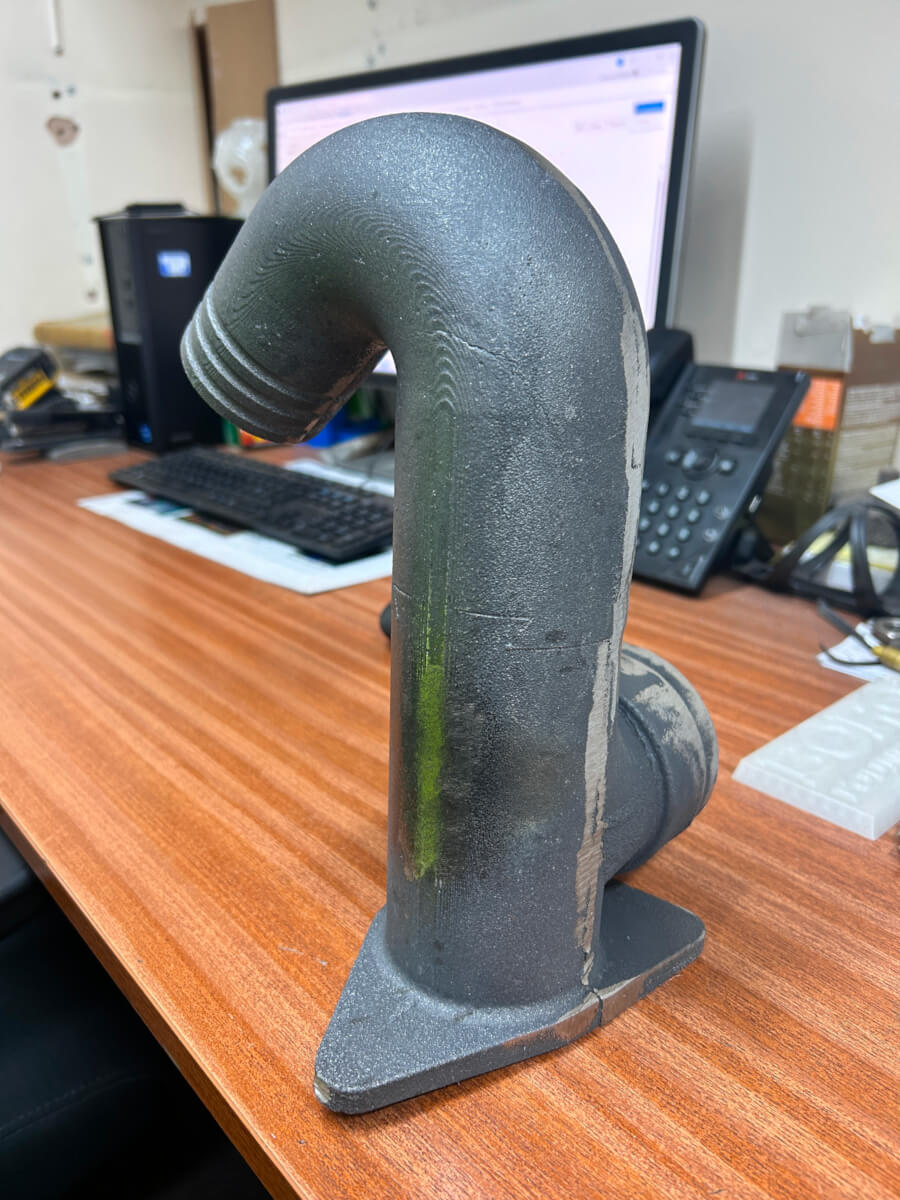
Boro Foundry was approached to produce a bespoke swan neck vacuum pipe casting for a heritage steam locomotive — a component with complex geometry and traditionally high pattern-making costs.
By leveraging 3D printed tooling and CAD-led design, we were able to significantly reduce both cost and lead time, while also improving long-term flexibility for future production.
The Challenge
Vacuum pipe systems are a key feature on historic railway locomotives, forming part of the braking system that runs the length of the train. The component required for this project, a swan neck vacuum pipe, needed to meet both functional and aesthetic expectations, while remaining true to its original design.
The customer required a one-off replacement casting for a heritage locomotive. While relatively small in size, this part would be time consuming and expensive to produce with traditional pattern-making techniques due to:
- Its complex geometry which would require intricate pattern equipment
- The low-volume / one-off production requirement
- The limited flexibility for future reproduction
The cost of producing this component using traditional methods was therefore estimated at ~£1200. For this type of component, the cost of producing the pattern can often outweigh the value of the casting itself, which is inefficient.
The Solution
To overcome these challenges, we adopted a 3D printed pattern approach, allowing us to produce the required tooling quickly and cost-effectively.
A Modern Approach to Pattern Making
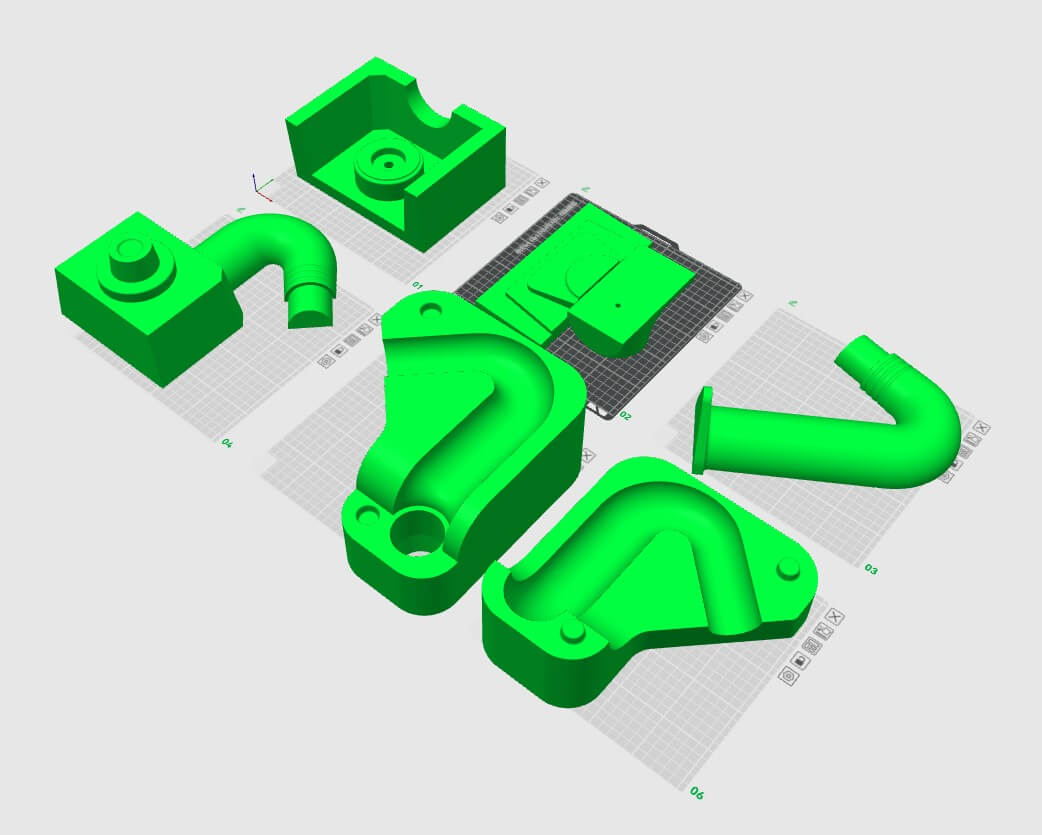
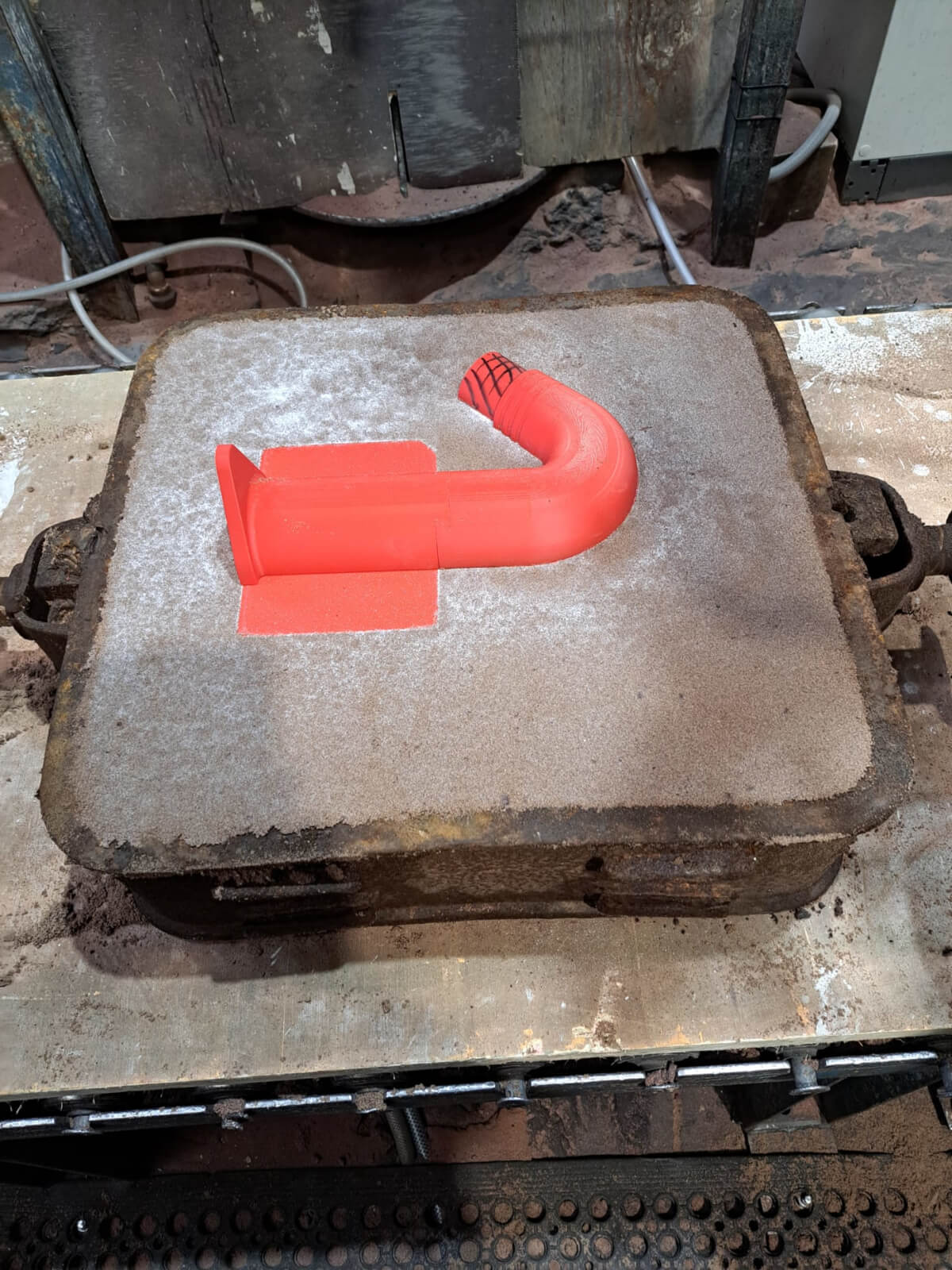
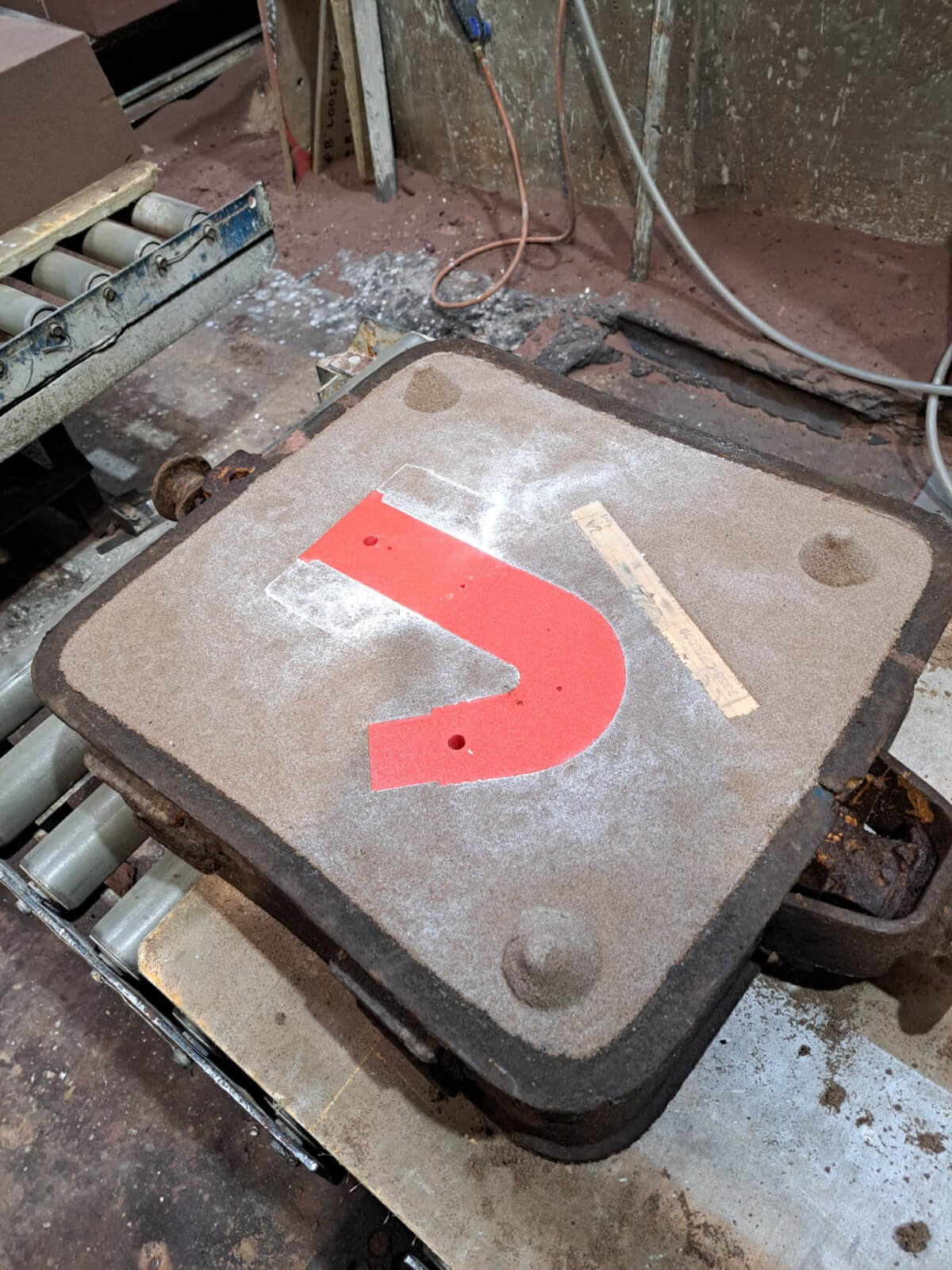
A pattern was designed using CAD software, enabling us to optimise the design for the foundry process before production began. Due to the size constraints of the print area, the pattern was split into sections and joined post-print, demonstrating a modular approach that can be applied to larger components. Other key benefits included:
- Improved manufacturability due to CAD-led design
- Reduced tooling complexity compared to traditional methods
- Faster production time – the 3D printed pattern was produced within a day
Technical Overview
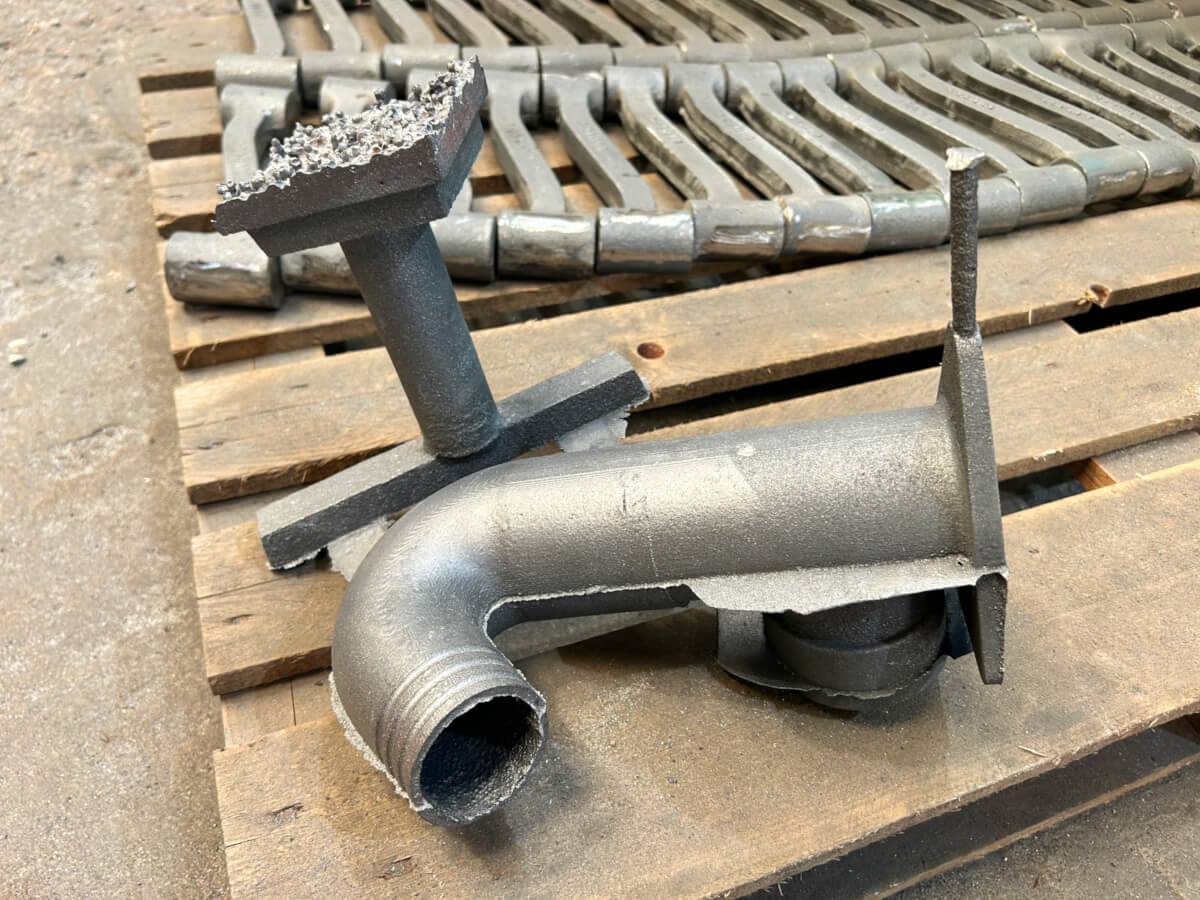
- Component: Swan Neck Vacuum Pipe
- Weight: ~13kg
- Dimensions: 280 × 175 × 196mm
- Material: SG Iron (enhanced ductility compared to traditional flake iron)
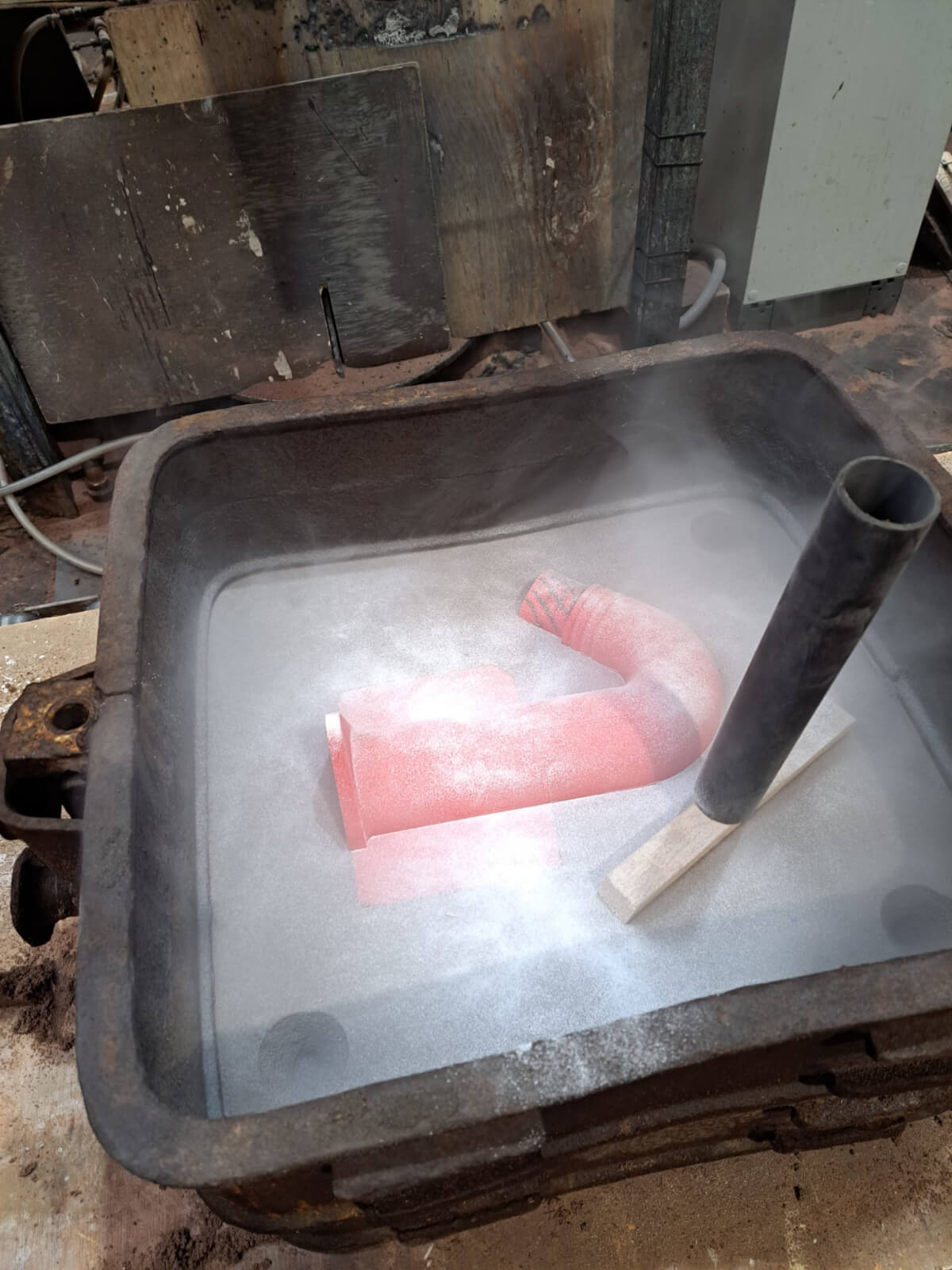
- Casting process: Airset, loose pattern
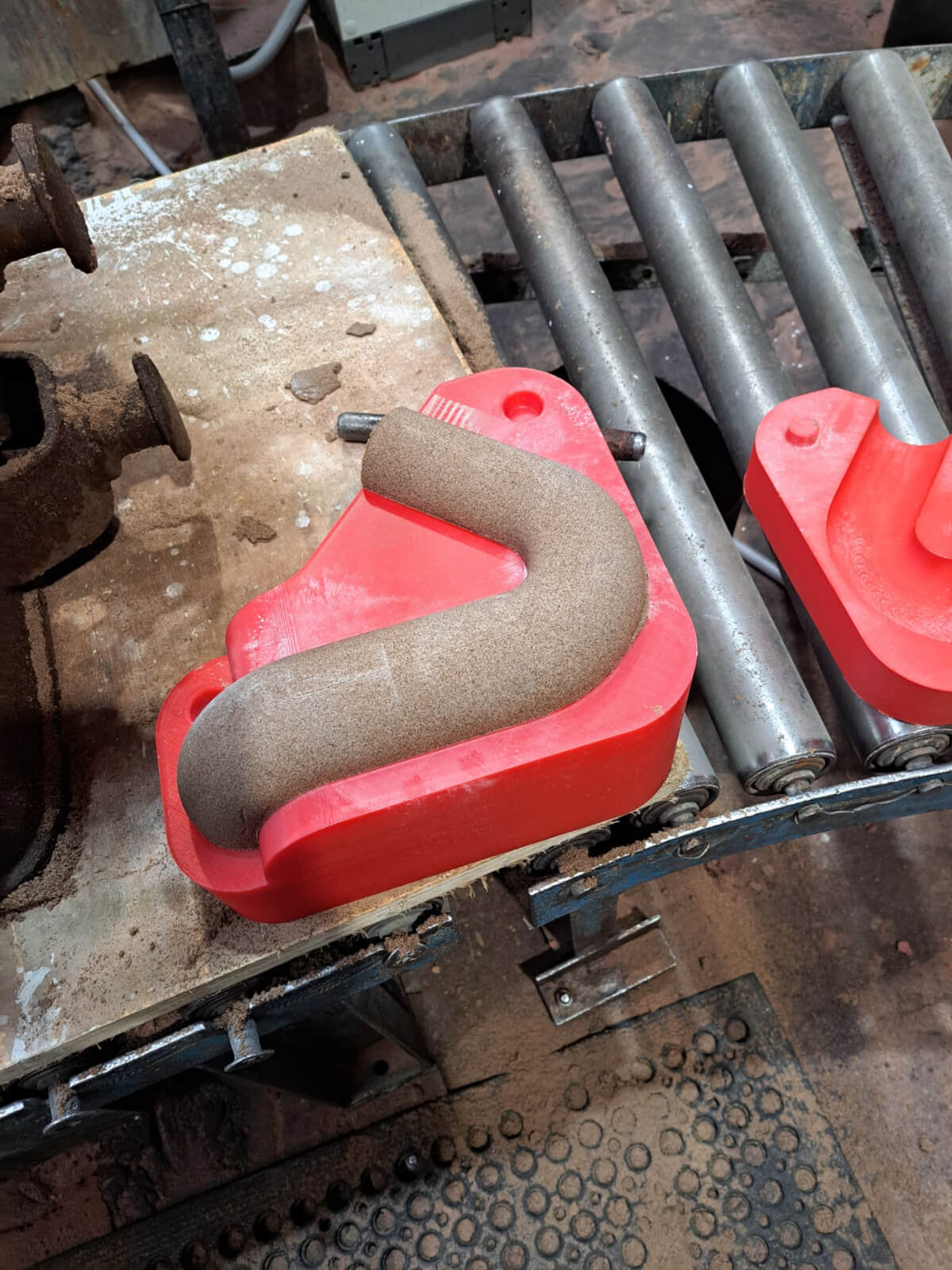
- Core configuration: Single core
- Pattern method: 3D printed, sectioned and assembled
The use of SG Iron provided improved durability for a component positioned externally on the locomotive, where it may be subject to impact or environmental exposure.
From CAD to Casting
Once the design was locked in, the project transitioned from digital development into physical production.
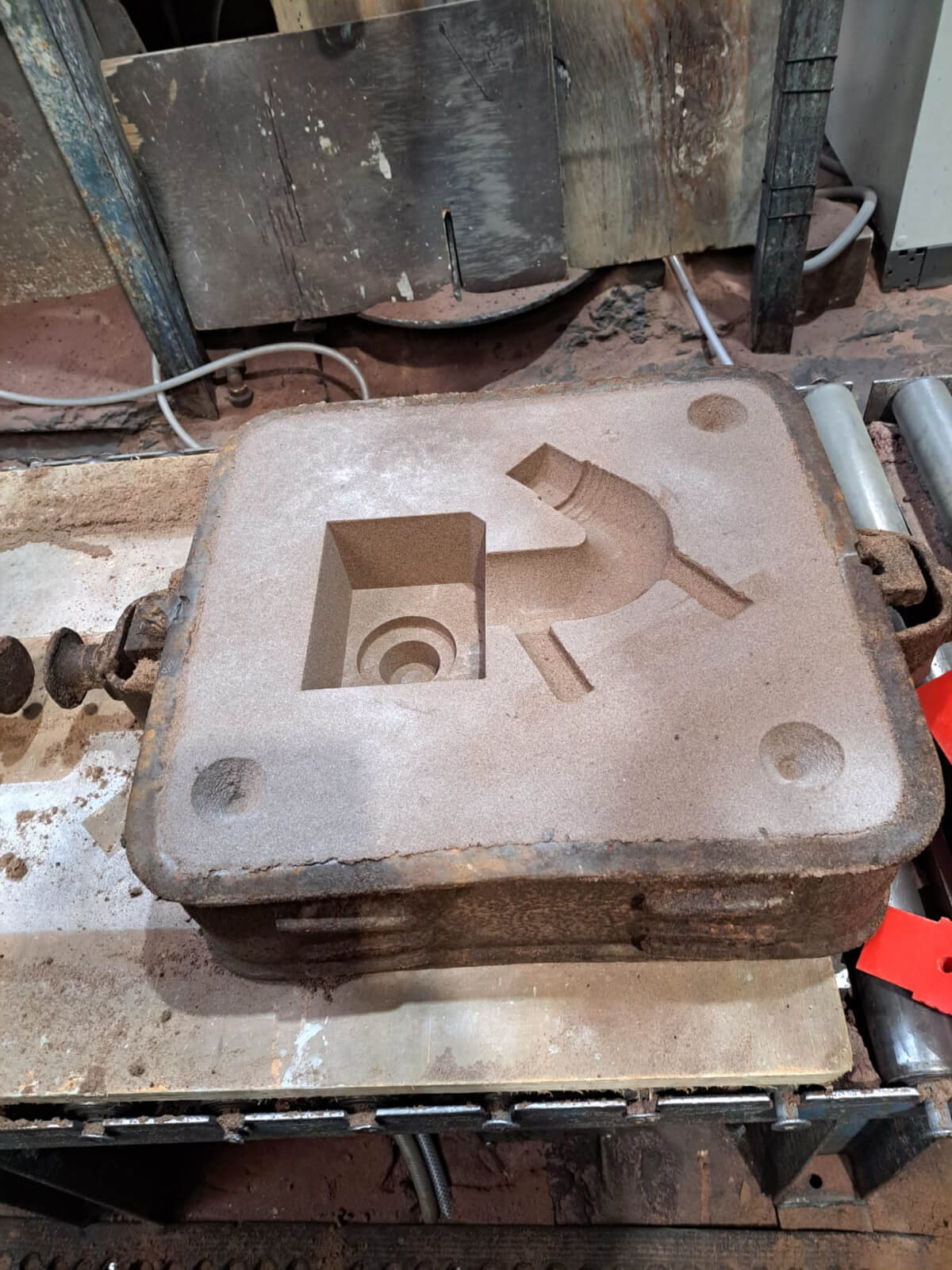
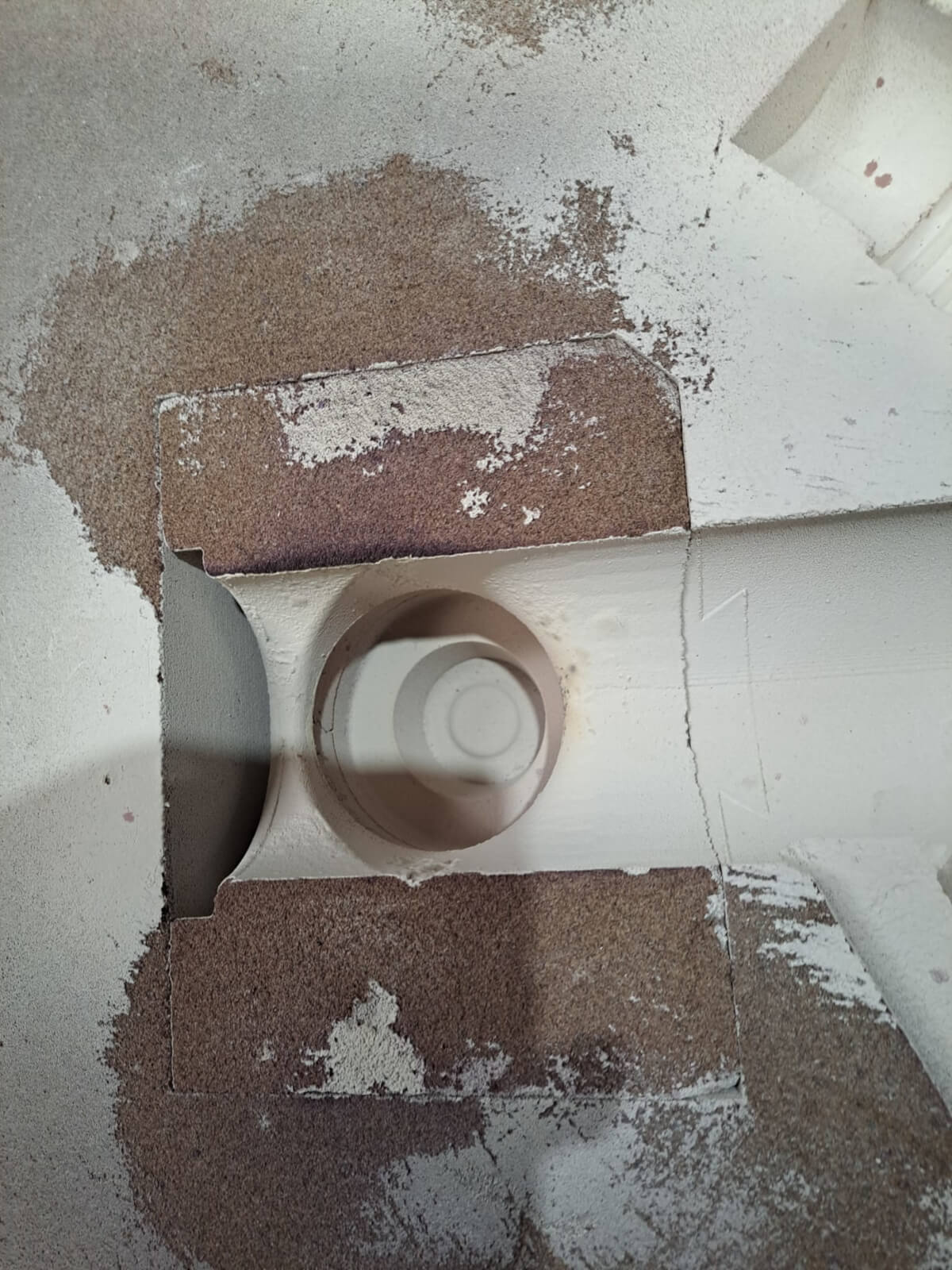
The full pattern equipment (including the pattern and core box) was produced using 3D printing, ensuring the complex geometry could be replicated accurately and consistently from the outset.
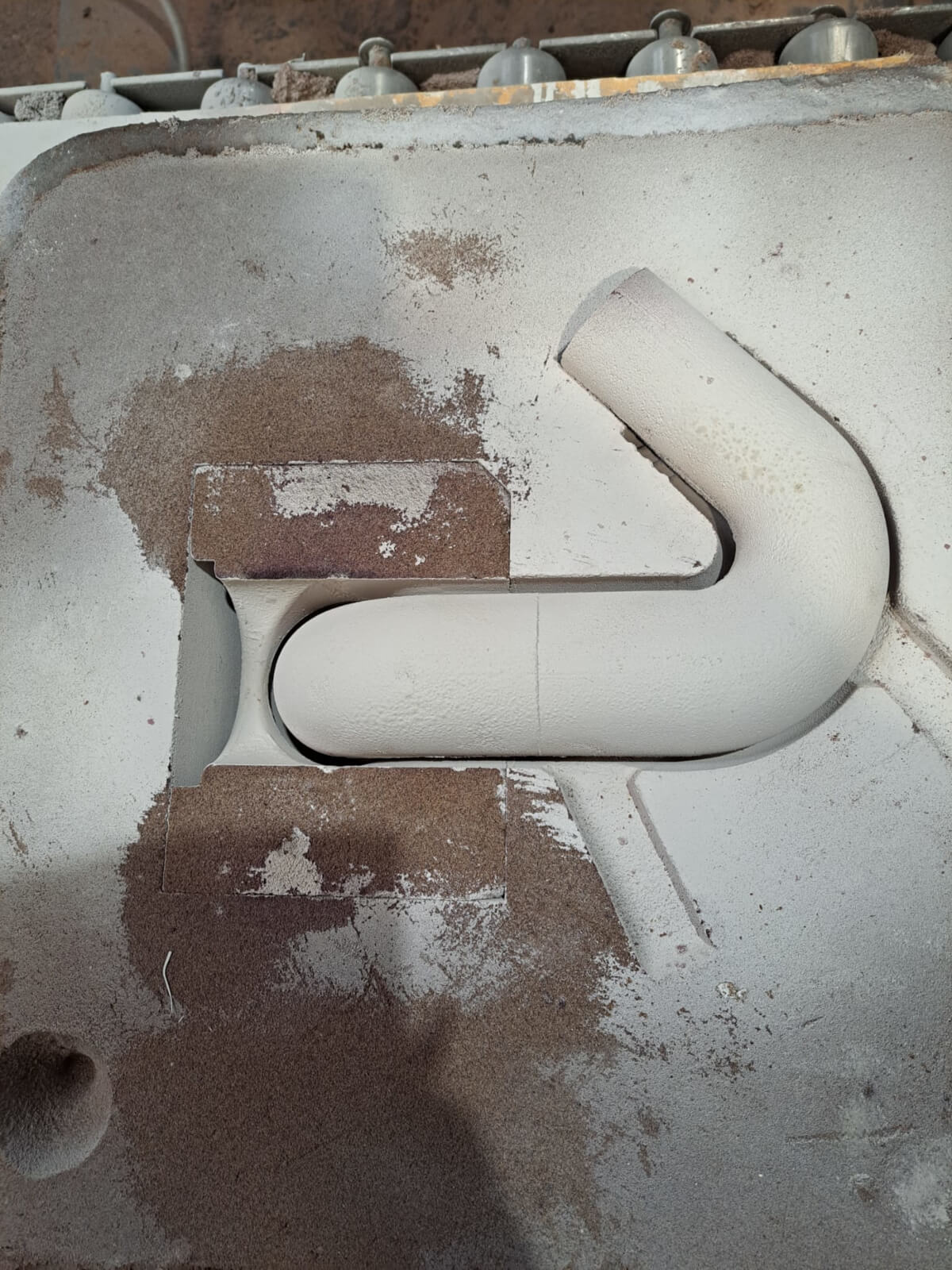
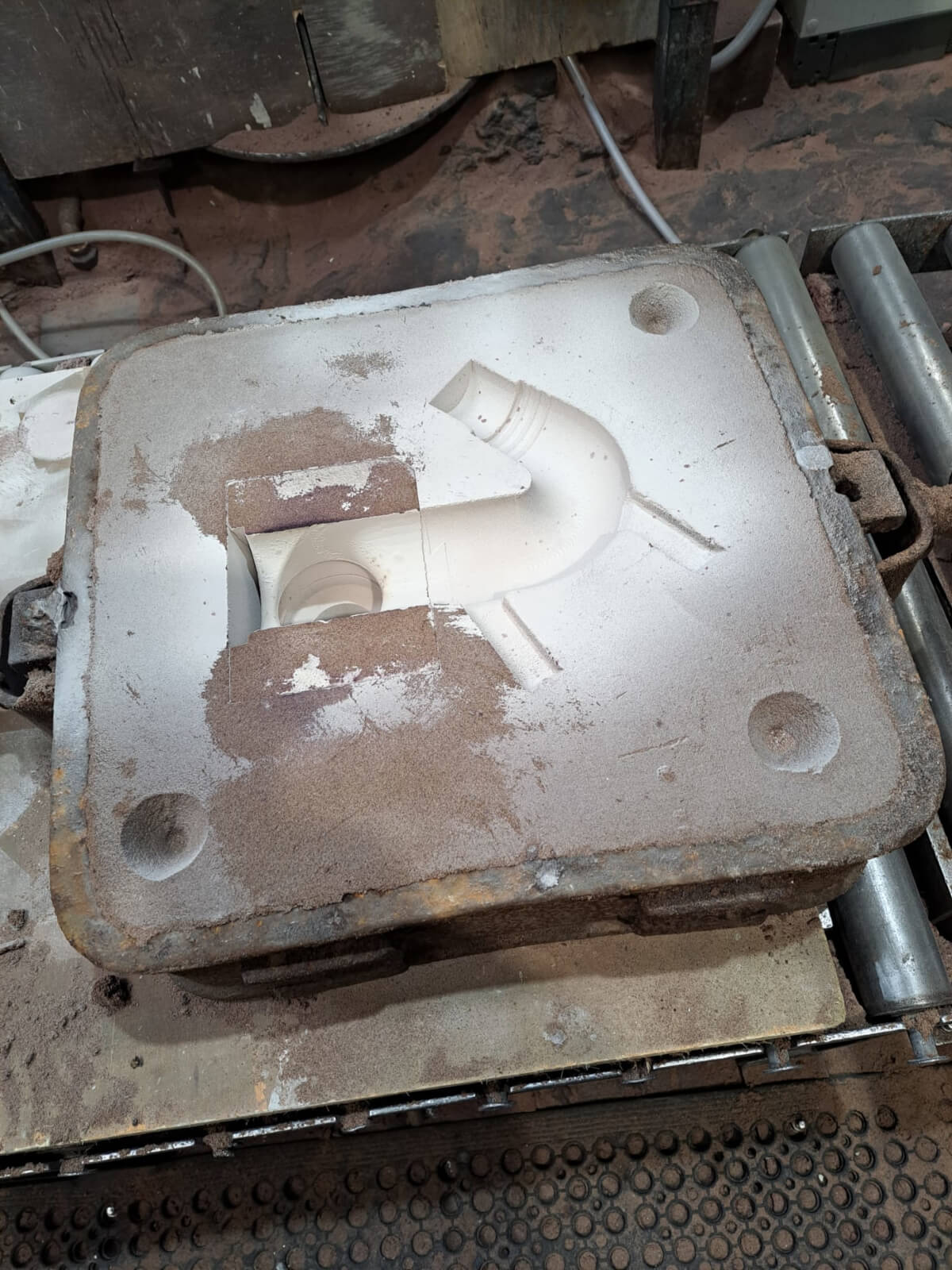
From there, the moulding and pouring process brought the component to life, turning the CAD model into a functional casting that met the required geometry and performance standards.
The Result
By replacing traditional pattern-making with a 3D printed solution, we were able to deliver significant cost and efficiency improvements:
- 50% reduction in pattern cost: ~£1200 → ~£600
- Faster turnaround: pattern produced within a day
- Improved material performance: SG Iron offers greater durability
- Future flexibility: CAD file retained for easy reprinting if needed
Should the customer require additional parts in the future, the pattern can be reproduced quickly and cost-effectively, with minimal setup time and reduced reliance on traditional tooling.
The Key Takeaway
This project demonstrates how 3D printed pattern technology can transform the economics of low-volume and complex castings:
- Enables cost-effective production of one-off or small batch components
- Reduces lead times for pattern manufacture
- Allows modular tooling strategies beyond print size limitations
- Provides long-term value through digital pattern retention
By combining traditional foundry expertise with modern manufacturing techniques, Boro Foundry delivers flexible and efficient solutions for even the most complex casting requirements.
Looking for a Smarter Way to Produce Complex Castings?
Whether you’re dealing with intricate geometries, high tooling costs, or low-volume requirements, modern pattern-making techniques can offer a more efficient route.
Get in touch with Boro Foundry to explore innovative and cost-effective solutions for your next casting project.